European Sovereignty: Enter Office.eu
European Sovereignty: Enter Office.eu
In a digital market dominated by US tech giants, data sovereignty has become a top priority for Europe. After years of compromising between efficiency and privacy, a concrete alternative has emerged: a new, independent, open-source productivity suite ready to challenge the Microsoft and Google monopoly.
What's the Story
Office.eu, a new open-source cloud productivity suite, has officially launched in The Hague, positioning itself as the European alternative to industry behemoths like Microsoft 365 and Google Workspace.
The core of the news lies in the project's 100% European DNA: the platform is entirely European-owned, and its complete server and data storage infrastructure is localized within the borders of the European Union. This setup is designed to guarantee total user data sovereignty, ensuring native and strict GDPR compliance and, crucially, immunity from foreign jurisdictions. A primary target is the US CLOUD Act, which compels US companies to provide data to government agencies regardless of where the servers are physically located.
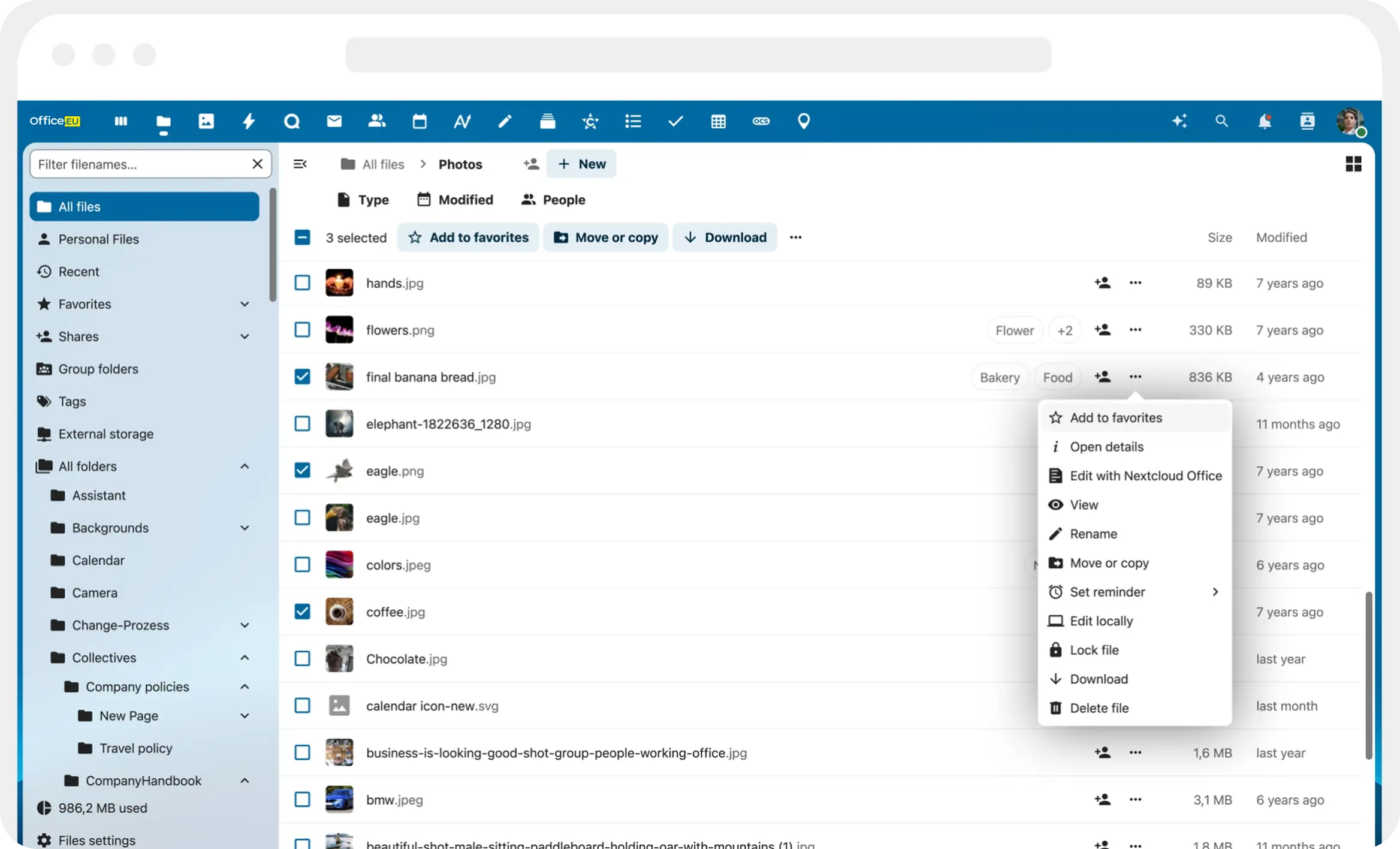
The suite offers a comprehensive ecosystem, including tools for documents, spreadsheets, presentations (fully compatible with classic .docx and .xlsx formats), cloud storage (EU Drive), email, calendar, and even a proprietary video conferencing system (EU Talk).
Currently, the project has opened its doors for Early Access requests via a waitlist, aiming to attract SMEs, Non-Governmental Organizations (NGOs), and private citizens looking for a tech infrastructure built on privacy, open-source transparency, and digital independence.
TL;DR: European Digital Sovereignty Gets Its Own Suite
Office.eu represents the Old Continent's latest bet on digital independence. Born in The Hague under the leadership of CEO Maarten Roelfs and managed by EUfforic Europe BV, the platform aims to be a direct and comprehensive alternative to Microsoft 365 and Google Workspace. Built on a solid open-source foundation, it offers a unified ecosystem of seven modules: storage (Drive), documents (Docs), spreadsheets (Spreadsheet), presentations (Presentation), email (Email), calendar (Calendar), and video conferencing (Talk).
Its greatest strength is its immunity to foreign interference, ensuring all data remains confined to European servers in strict compliance with the GDPR. Currently in an invite-only "Early Access" phase—with around 15,000 requests already on the waitlist—a large-scale rollout is expected in the second half of 2026.
Below, we take a deep dive into the technical, strategic, and market aspects that make Office.eu a crucial project for Europe's digital future.
The Tech Engine: Open-Source and Server-Side Security
Despite a clean, unified user interface—deliberately designed to replicate the Microsoft and Google user experience to lower the learning curve—under the hood, Office.eu doesn't reinvent the wheel. Instead, it relies on battle-tested open-source giants. File management, permissions, and synchronization are powered by Nextcloud Hub, while the document editing infrastructure relies on Collabora Online (the enterprise version based on LibreOffice code).
A highly relevant technical feature regarding security is the use of server-side rendering: when a user edits a document, the original file is never downloaded locally to the device. The browser only receives a graphical representation of the page, drastically reducing the risk of data theft or exposure in the event of compromised hardware. Furthermore, the suite guarantees full two-way compatibility with both open formats (ODF) and classic market standards (.docx, .xlsx, .pptx).
The Shield Against the CLOUD Act and Data Geopolitics
The fundamental driving force behind the founding of Office.eu is strictly geopolitical. With US providers dominating roughly 70% of the European cloud market, technological reliance has turned into a severe strategic vulnerability for companies, governments, and organizations. US regulations, primarily the CLOUD Act, allow American government agencies to demand access to data managed by US companies regardless of where their servers are physically located.
Office.eu neutralizes this risk at the root. Being 100% European-owned and relying exclusively on data centers located within the EU, user data answers solely to European regulations, creating an impenetrable fortress against non-EU jurisdictions. This guarantee has become a vital selling point, especially for NGOs and the public sector.
Roadmap: From Invite-Only Rollout to "Ethical" AI
The adoption model chosen by the Dutch team follows a gradual approach to avoid compromising server stability. Following its official launch on March 4, 2026, access is currently limited to an invite-only system targeting SMEs, NGOs, and private citizens. The real stress test for the infrastructure will come in the coming months with the planned public opening.
However, the roadmap already looks beyond classic office tools. The company has confirmed the development of Artificial Intelligence features, such as automatic document summarization, writing assistance, meeting transcriptions in EU Talk, and semantic file search. Staying true to its privacy-first mission, Office.eu promises fully local and controllable AI: the data processed by the algorithms will never leave the user's environment and, most importantly, will never be used to train third-party language models.
The Economic and Corporate Landscape: Pushing for Digital Sovereignty
The launch of Office.eu is not just a technological initiative, but a move with significant economic and political weight. Behind the platform operates EUfforic Europe BV, a company registered with the Dutch Chamber of Commerce (KVK) in November 2025 and headquartered in The Hague, founded with the specific intent of capturing a slice of a multi-billion-dollar market.
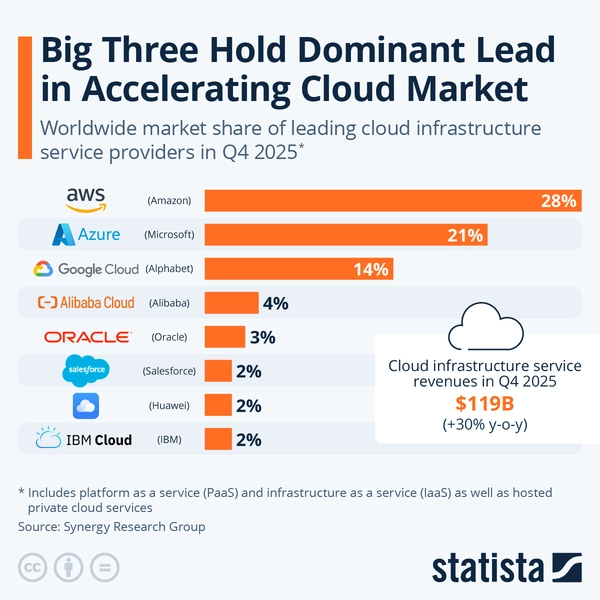
The current reliance on overseas providers is no longer viewed merely as a privacy issue, but as a capital drain and a vulnerability to the continent's competitiveness. CEO Maarten Roelfs's timing is strategically perfect, as the early 2026 launch fits into an unprecedented European macroeconomic moment, defined by two crucial maneuvers.
On one hand, the European Commission recently announced a €450 billion European Competitiveness Fund to combat the exodus of tech companies to the United States and fund domestic innovation. Infrastructure projects like Office.eu become ideal candidates—and natural partners for government agencies—within an ecosystem the EU is desperately trying to fuel. On the other hand, exactly in March 2026, Europe is pushing for the approval of "EU Inc." (the 28th European company regime), a reform designed to allow startups to incorporate continent-wide in 48 hours for just €100, thereby attracting Venture Capital funds more efficiently.
In this climate of strong protectionism and domestic investment push, Office.eu positions itself as the "local champion" ready to scale. While details regarding EUfforic Europe BV's initial private funding remain undisclosed, the business model relies on a SaaS subscription structure with pricing stated to be highly competitive and aligned with Microsoft and Google. The real economic driver for the company will be adoption by the public sector (government agencies, schools, hospitals) and NGOs, entities that are increasingly required to use sovereign solutions to access European funds, such as the Horizon Europe cascade funding.